 Image 1 of 4
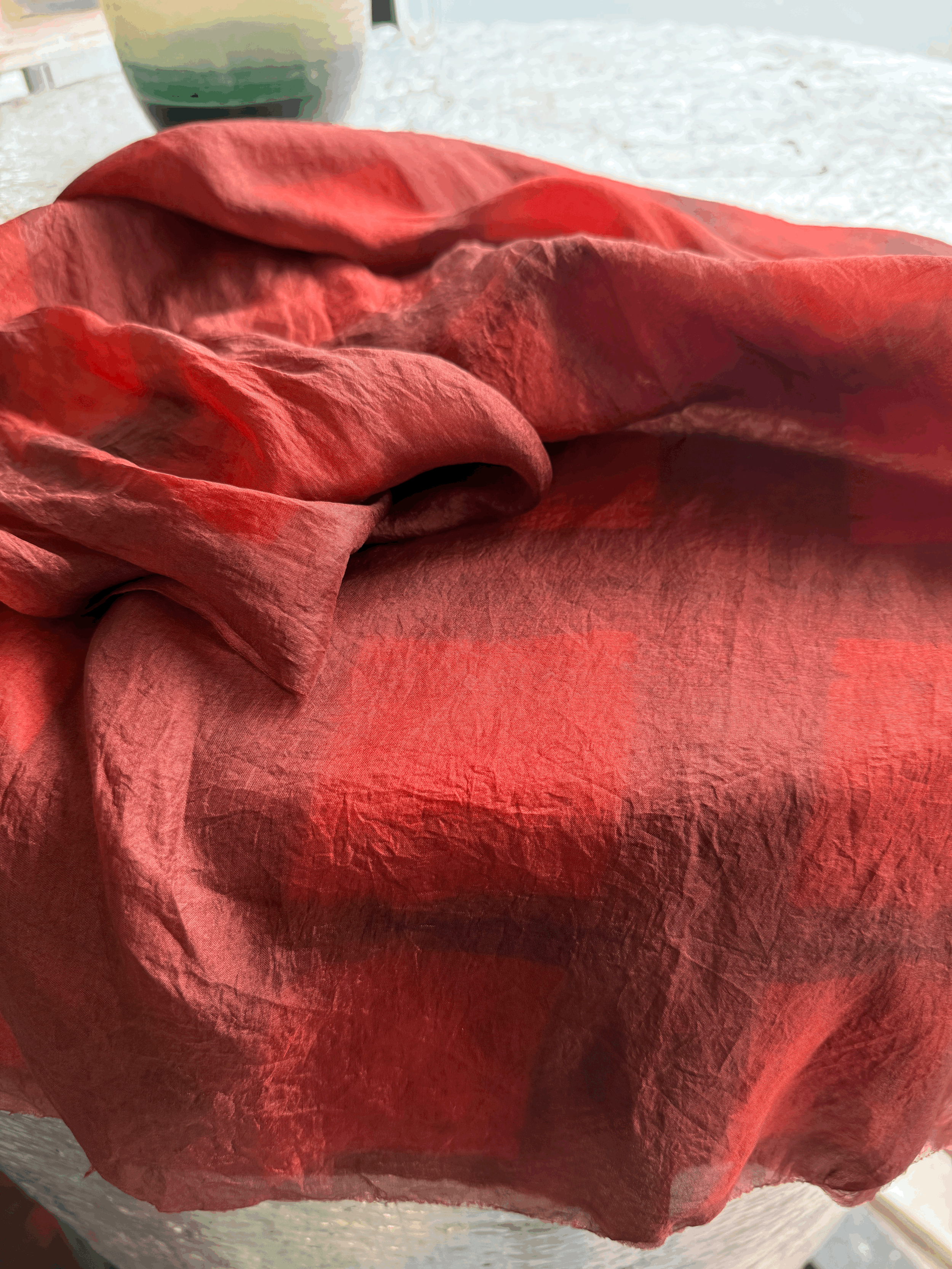 Image 2 of 4
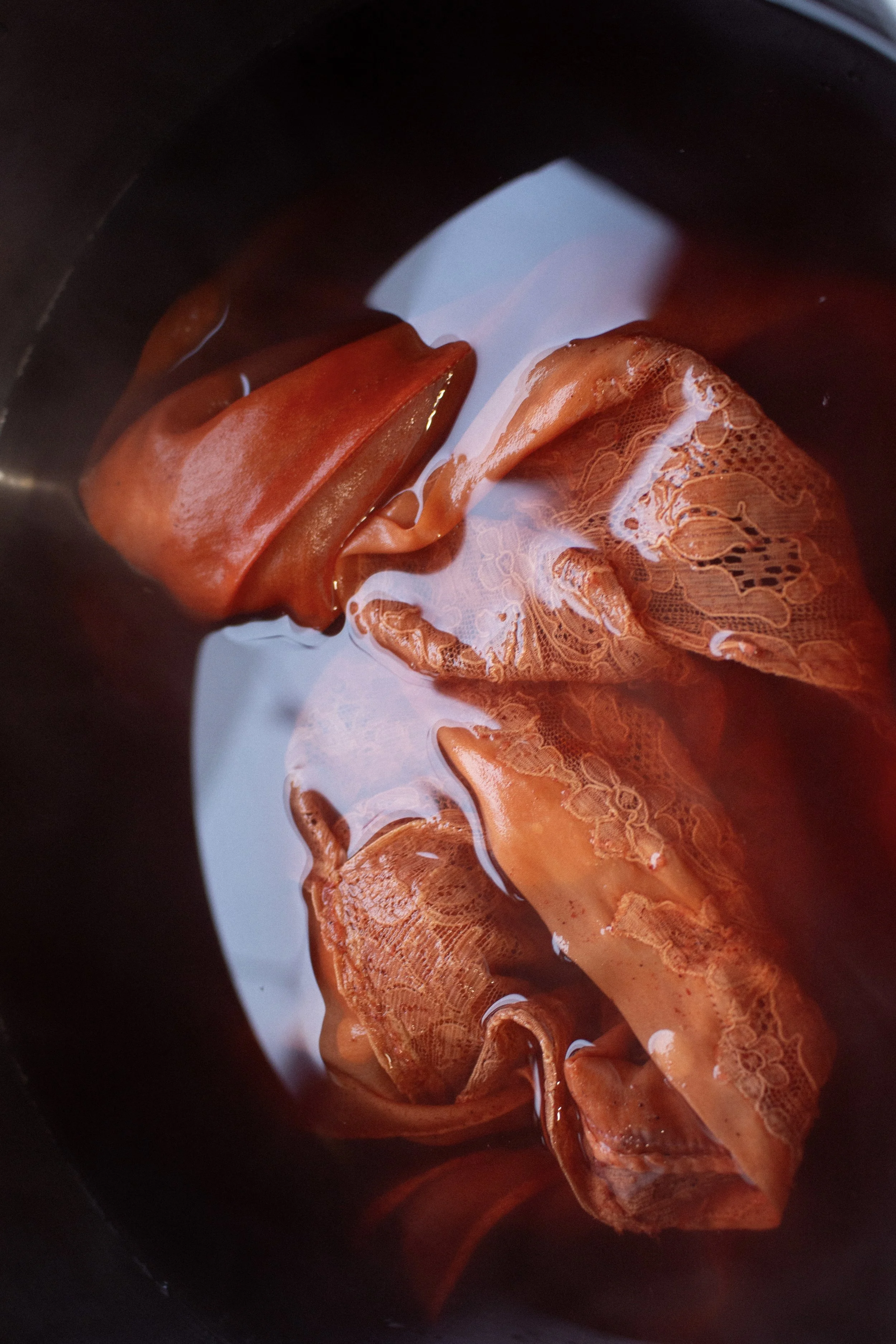 Image 3 of 4
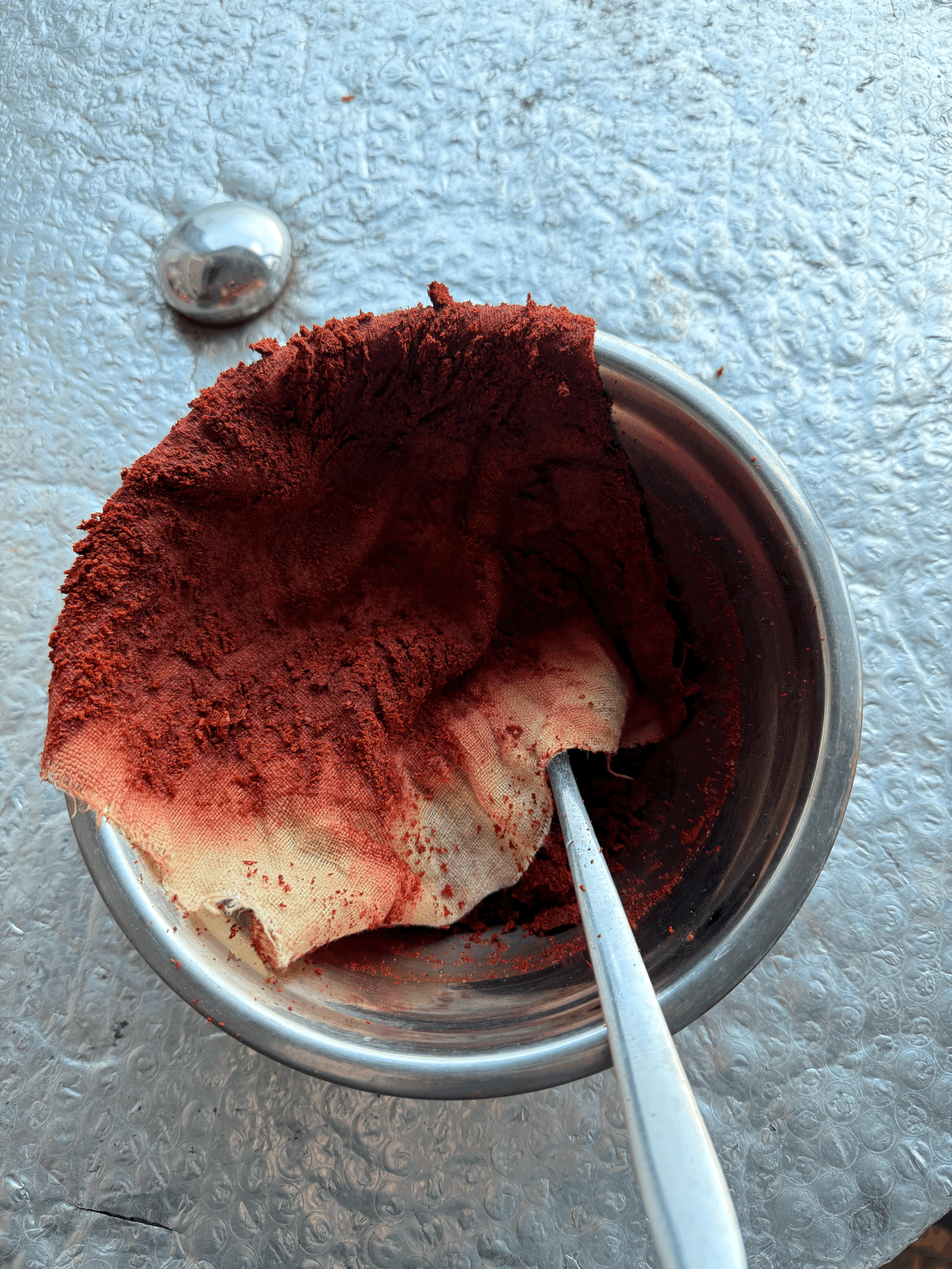 Image 4 of 4
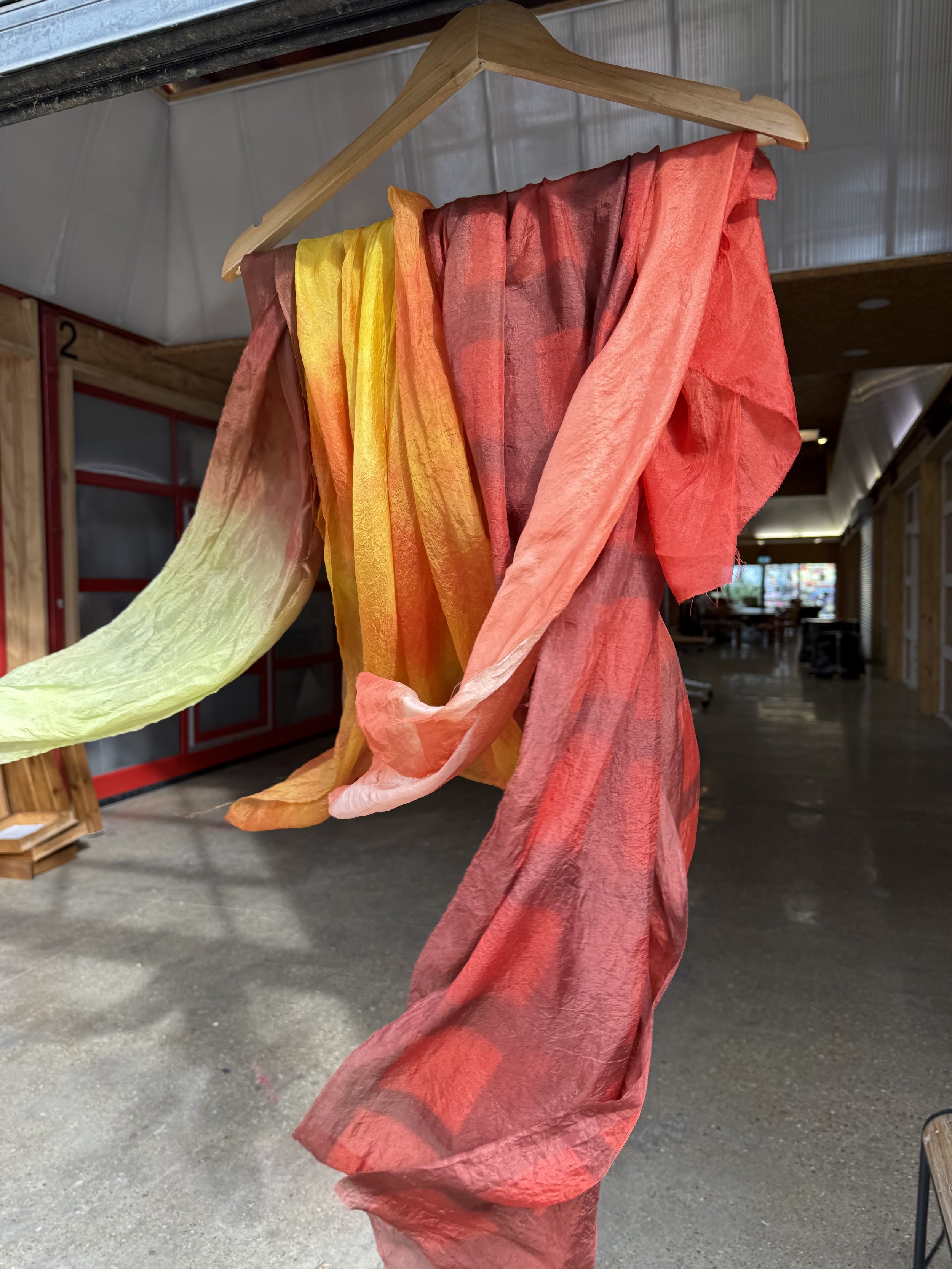
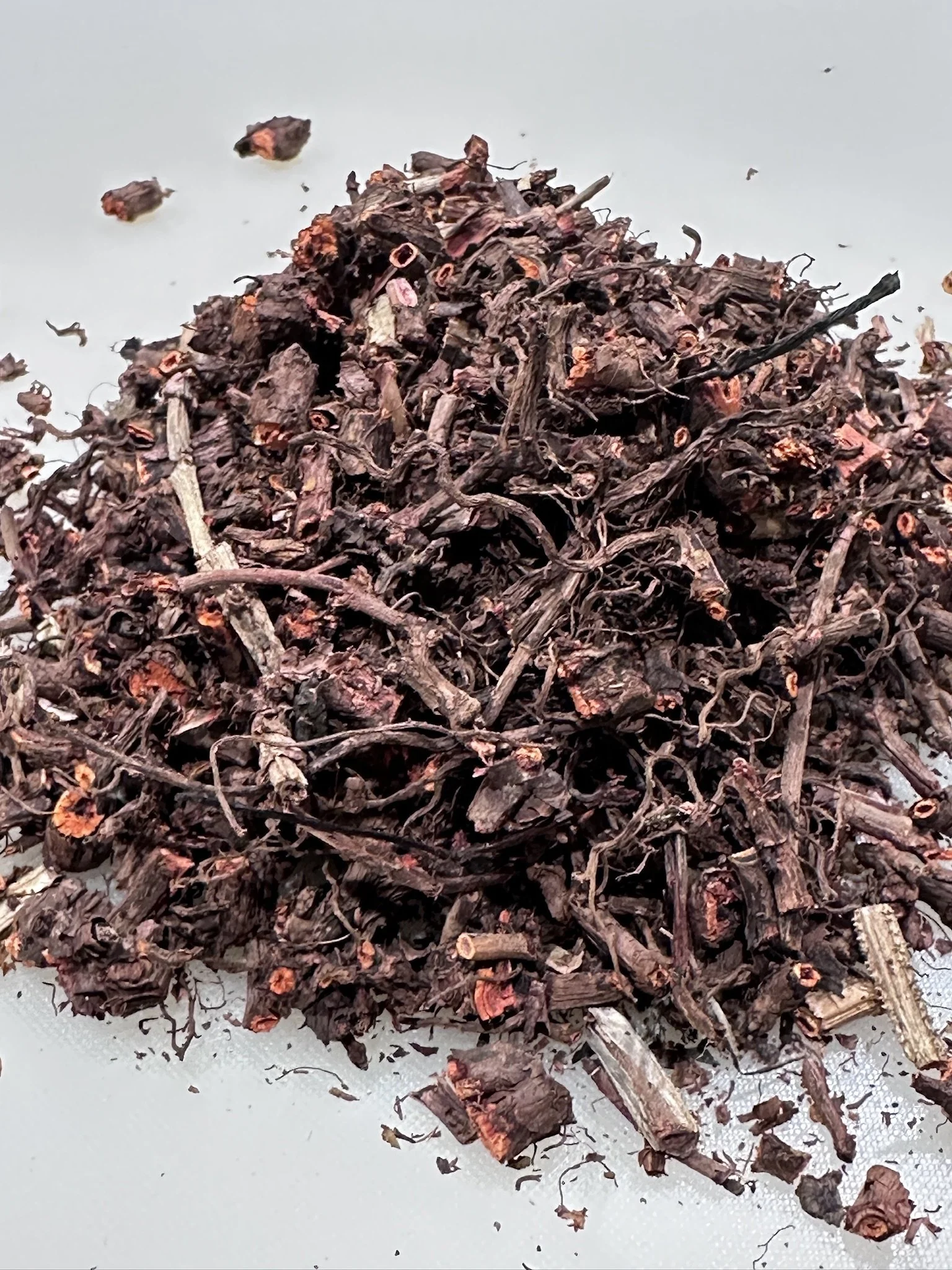
Dyestuff: Predominantly Munjistin and Purpurin as well as Alizarin and yellow colourants.
Plant part used:Roots
Resulting Colours:Orangey Red
Dyeing with Madder dates back at least 5000 years, associated with crimson military jackets, Persian carpets and Indian Chintz (block printed cottons). We offer munjeet (Rubia cordifolia), which produces a more orangey red due to its lower alizarin content than common madder.
Munjeet is a perennial climbing herb with long, woody roots that are rich in a red dye. It is widely distributed from Africa to tropical Asia, and is especially common in the mountainous regions of India and Sri Lanka. The plant requires about three to five years of growth before its roots develop sufficient dyestuff for harvesting.
Traditionally Indian Madder has been used for medicinal purposes because of its anti-inflammatory antiseptic qualities.
The plant is traditionally grown in living fences in the northwestern Himalayas, where it helps to exclude livestock and other animals; mark out land boundaries; whilst also providing a range of medicinal and other uses (Check with Rashmi for other local uses/knowledge)
Head to our How To page!
Dyestuff: Predominantly Munjistin and Purpurin as well as Alizarin and yellow colourants.
Plant part used:Roots
Resulting Colours:Orangey Red
Dyeing with Madder dates back at least 5000 years, associated with crimson military jackets, Persian carpets and Indian Chintz (block printed cottons). We offer munjeet (Rubia cordifolia), which produces a more orangey red due to its lower alizarin content than common madder.
Munjeet is a perennial climbing herb with long, woody roots that are rich in a red dye. It is widely distributed from Africa to tropical Asia, and is especially common in the mountainous regions of India and Sri Lanka. The plant requires about three to five years of growth before its roots develop sufficient dyestuff for harvesting.
Traditionally Indian Madder has been used for medicinal purposes because of its anti-inflammatory antiseptic qualities.
The plant is traditionally grown in living fences in the northwestern Himalayas, where it helps to exclude livestock and other animals; mark out land boundaries; whilst also providing a range of medicinal and other uses (Check with Rashmi for other local uses/knowledge)
Head to our How To page!