Walnut

from £12.00
Size:

Black walnut - Juglans regia

Dyestuff: Juglone 

Plant part used: Green hulls 

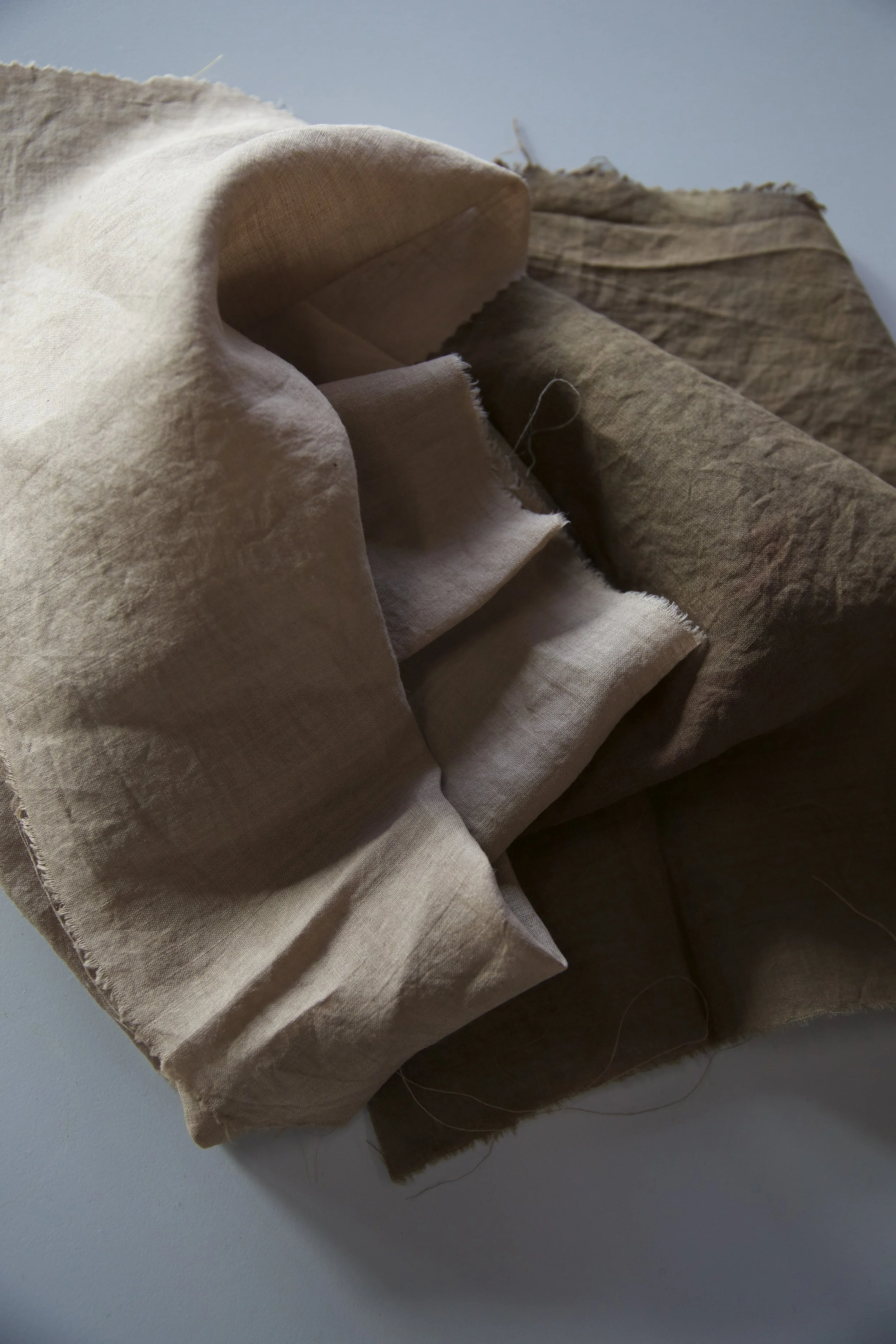
Resulting colours: Warm browns to dark brown/black


About Walnuts: 

Walnuts are great living laboratories of dye production, containing juglone, which turns black on exposure to air. They also contain tannins which means they are a substantive dye and don’t require the addition of tannin mordants to adhere to the fabric. Traditionally, walnut dye has been used to create warm fawn and brown shades, often overdyed with madder for deeper colour, or combined with iron to produce greys and blacks. The leaves and fresh husks of the walnut tree are also rich in juglones and tannins with astringent and antiseptic properties, and have long been used in traditional medicine as well as for colouring hair.


Cultivation in the Himalayas

Walnuts grown in the Himalayan region are an important resource for local communities, providing two sources of income. The nut itself can be sold, while the hull, a discarded byproduct, can be used as a natural dye, supporting a zero-waste and sustainable livelihood.

Black walnut - Juglans regia

Dyestuff: Juglone 

Plant part used: Green hulls 

Resulting colours: Warm browns to dark brown/black


About Walnuts: 

Walnuts are great living laboratories of dye production, containing juglone, which turns black on exposure to air. They also contain tannins which means they are a substantive dye and don’t require the addition of tannin mordants to adhere to the fabric. Traditionally, walnut dye has been used to create warm fawn and brown shades, often overdyed with madder for deeper colour, or combined with iron to produce greys and blacks. The leaves and fresh husks of the walnut tree are also rich in juglones and tannins with astringent and antiseptic properties, and have long been used in traditional medicine as well as for colouring hair.


Cultivation in the Himalayas

Walnuts grown in the Himalayan region are an important resource for local communities, providing two sources of income. The nut itself can be sold, while the hull, a discarded byproduct, can be used as a natural dye, supporting a zero-waste and sustainable livelihood.

How to use our Dyestuff: 

Dyestuff: 50% WOF for medium brown tones 

Scouring: All fabrics must be scoured prior to dyeing, see our scoring guide here. 

Mordant: Alum at 15% WOF for protein and cellulose fabrics 

How to use… 

  1. Fill a stainless steel pan with enough water to allow your fabrics to flow freely. Add the walnut powder to your pot and simmer for up to two hours to extract the colour, meanwhile soak your fibres in cold water to open the fibres and allow for greater dye absorption.  

  2. Strain your dye liquid through a cheesecloth to remove the walnut grounds, these can be discarded or heated again to extract more dye. The remaining liquid is your dye.  

  3. Add scoured and wet cloth to the dyepot and heat to 33°, hold for 30 minutes. 

  4. Raise temperature to 80° and maintain for 50 minutes. Rotate fibres gently to obtain even shades. 

  5. Walnut grounds may be extracted again for lighter shades.

Modifying

  • Walnut dye will darken readily with an iron mordant dip. Make a cold water solution with 1% iron and dip fabric in the solution for one minute at a time until the desired shade has been achieved then rinse fibres well. Iron will tend to linger on your pots and is easily transferred onto other fabrics, so dedicate one pot to be your iron pot. 

  • Wring out fibres and store to dye. Gently rinse with a pH neutral soap or soapnuts.